
Mobile devices: Smartphones and tablets can download OTT apps from a supported digital storefront.
Personal computers: Most computers support OTT content viewing through desktop-based apps or web browsers.
Smart TVs: The latest TV models often include pre-installed OTT apps, or provide users with an option to download them.
Digital media players: Third-party devices like the Apple TV support a range of OTT solutions. Many modern video game consoles also include the ability to download and run OTT apps.
WHY ARE OTT PLATFORMS SO POPULAR ?

The accessibility of OTT Platforms content is one of the many reasons it’s so popular. This is mainly due to the increasing use of mobile devices for viewing video content and OTT technology are designed as a tool for delivering video content directly to your device -it could be a smartphone, tablet, or smart TV – using the internet instead of traditional distribution methods of cable or satellite. These platforms allow you to instantly stream videos on your favorite devices – IOS, Android, Smart TV, etc.
And one more important factor is THE COVID CRISIS.
With cinema halls shut and film releases suspended amid the world-wide lockdowns, Producers and Studios are releasing their movies directly into the OTT Platforms. It has turned out to be a boon for these platforms, which are witnessing a growth like never before. People in lockdown were obsessed with them cause they can enjoy movies and web series at home itself.The user base has swelled from 23 million in April 2020 to 31 million in February this year. Most users subscribed to more than one OTT platform.
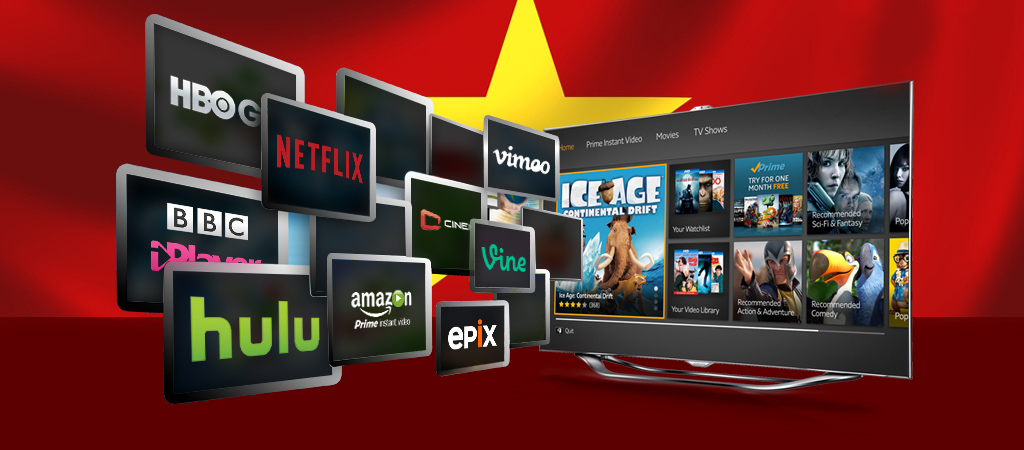
OTT INCLUDES :
Over-the-top (OTT) video viewers: Individuals who watch video via any app or website that provides streaming video content and bypasses traditional distribution. Examples include HBO Now, Hulu, Netflix, Amazon Video, YouTube/YouTube Red and SlingTV.
Connected TV (CTV)/Internet Protocol TV (IPTV) users: Individuals who use TV sets connected to the internet through built-in internet connectivity (Smart TV) or through other devices with the functionality such as a set-top box (STB) devices (e.g., Apple TV, Google Chromecast, Amazon Fire, Roku), Blu-ray players or gaming consoles.
Linear OTT video service users: Users who subscribe to a service that delivers live TV channel bundles over the internet for a monthly subscription. Examples include Sling TV, DirecTV Now, Hulu with Live TV, YouTube TV and PlayStation Vue.
Common sub-categories of OTT/CTV users include:
Advertising-based video-on-demand (AVOD): Users access free-to-watch content which is then monetized through video advertising.
Subscription video-on-demand (SVOD) – or Subscription OTT: Users who have a paid subscription access to streaming video content.
Transactional based video-on-demand (TVOD): Users who have paid to access certain content through a pay-per-view (PPV) purchase model.
 OTT Platforms